Los Angeles Truck
Accident Lawyers
Your Recovery Starts Here
If you were injured in a truck accident in Los Angeles or elsewhere in California, Midtown Law Group is here to protect your rights, investigate the responsible parties, and pursue the compensation available for your injuries and losses.
Free Consultation →Los Angeles Truck Accident Attorney
A collision involving a commercial truck can cause life-changing injuries in seconds. The size and weight of tractor-trailers, delivery vehicles, dump trucks, and construction trucks can expose drivers, passengers, pedestrians, cyclists, and motorcyclists to devastating harm.
Truck accident claims are also more complicated than ordinary car accident cases. The truck driver may not be the only responsible party. The trucking company, vehicle owner, cargo-loading company, maintenance provider, contractor, or government agency may also bear responsibility.
At Midtown Law Group, we represent individuals and families harmed in commercial truck accidents throughout Los Angeles and California. Our legal team investigates the cause of the collision, identifies all available insurance coverage, preserves time-sensitive evidence, and handles communications with trucking companies and their insurers.
Truck accident injuries may include:
- Traumatic brain injuries
- Spinal cord injuries
- Neck and back damage
- Broken bones and complex fractures
- Internal organ damage
- Crush injuries
- Severe burns
- Amputation
- Permanent disability
- Scarring and disfigurement
- Psychological and emotional trauma
We also help eligible families pursue wrongful death claims after fatal truck accidents in Southern California.
Midtown Law Group: Your Truck Accident Advocates
When you choose Midtown Law Group, you gain a legal team prepared to handle the legal, medical, and insurance issues associated with a serious commercial-vehicle collision.
Trucking companies and their insurers may begin investigating an accident immediately. Their representatives may inspect the truck, interview the driver, obtain electronic data, and begin developing a defense before an injured person understands the full extent of their condition.
Our investigation may include reviewing:
- Police and collision reports
- Traffic-camera and surveillance footage
- Dashcam recordings
- Electronic logging device (ELD) records
- Engine control module (ECM) or vehicle data
- Driver qualification and employment records
- Hours-of-service documentation
- Vehicle inspection and maintenance records
- Cargo-loading and securement records
- Dispatch and delivery information
- Drug and alcohol testing records
- Cellphone and communication records
- Witness statements
- Medical records and future treatment plans
Federal rules may require covered motor carriers to maintain driver qualification files, inspect and maintain commercial vehicles, comply with hours-of-service limits, and use electronic logging devices when applicable. Cargo must also be properly loaded and secured.
We use the available evidence to determine what happened, who may be responsible, and how the collision has affected your health, employment, finances, and future.
Why Hiring a Truck Accident Attorney Matters
A Los Angeles truck accident attorney can help you:
- Investigate the crash before evidence is lost or destroyed.
- Identify every potentially responsible driver, company, or agency.
- Preserve electronic logging and vehicle data.
- Review driver training, qualification, and employment records.
- Examine inspection and maintenance history.
- Determine whether fatigue, distraction, speeding, or impairment contributed.
- Investigate whether cargo was improperly loaded or secured.
- Handle communications with multiple insurance companies.
- Document current and future medical needs.
- Calculate lost wages and reduced earning capacity.
- Challenge attempts to place excessive blame on you.
- Prepare the case for negotiation or trial.
Truck accident cases frequently involve corporate defendants and overlapping insurance policies. Early investigation can help prevent the loss of records, video footage, damaged vehicle components, and other critical evidence.
Practice Areas
Have questions about your truck crash? Our legal team is available for a free consultation.
Every Case Is Unique.
We Are Ready to Investigate Yours.
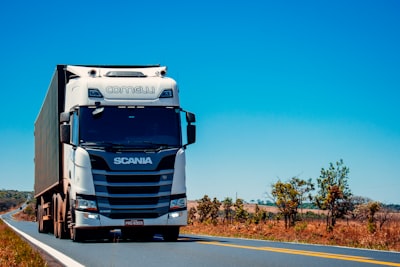
Tractor-Trailer Accidents
Tractor-trailers and semi-trucks require additional stopping distance and careful operation. Speeding, driver fatigue, unsafe lane changes, equipment failures, and improper loading can lead to severe or fatal collisions.

Delivery and Box Truck Accidents
Los Angeles streets are frequently used by package-delivery companies, retailers, moving companies, food distributors, and other commercial operators. Tight schedules, double parking, distracted driving, unsafe backing, and inadequate driver training may contribute.
Dump Truck and Construction Vehicles
Dump trucks, cement mixers, flatbed trucks, and other construction vehicles often operate near active worksites and crowded streets. Blind spots, unsecured materials, poor maintenance, and unsafe turns can place nearby motorists, pedestrians, and cyclists at risk.
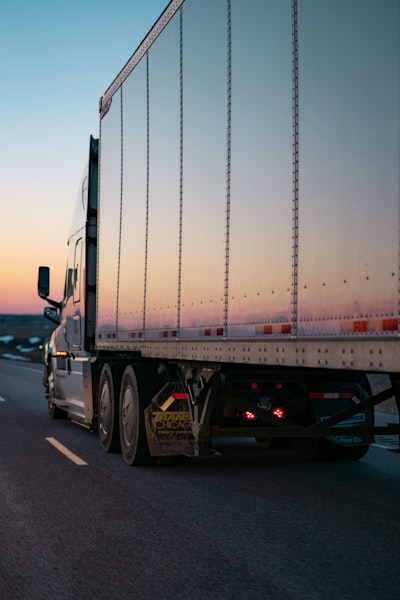
Garbage and Sanitation Truck Accidents
Private waste-management vehicles and Los Angeles sanitation trucks make frequent stops, operate early in the morning, and travel through narrow streets. Claims involving a City-owned vehicle require compliance with special notice requirements.
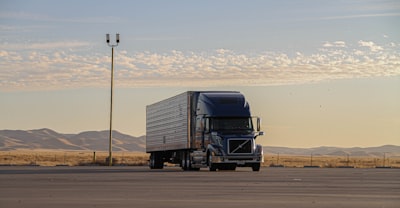
Jackknife and Rollover Accidents
A tractor-trailer can jackknife when its trailer swings outward. Sudden braking, speeding, slippery roads, poor loading, or equipment problems may contribute. Rollovers occur when a truck enters a turn too quickly or carries an unstable load.

Underride and Override Collisions
An underride accident occurs when a smaller vehicle becomes trapped beneath the side or rear of a truck. An override accident happens when a truck travels over a smaller vehicle. These crashes frequently cause catastrophic injuries.
Key California Truck Accident Considerations
Truck accident claims may involve California insurance laws, state traffic rules, federal motor-carrier regulations, corporate safety policies, and multiple defendants. Understanding how these issues interact is essential to building a strong claim.
Identifying Every Liable Party
The truck driver is not always the only party responsible for a collision. Depending on the facts, potential defendants may include:
- The commercial truck driver
- The trucking or delivery company
- The owner or lessee of the vehicle
- The driver’s employer
- A freight broker or contractor
- A cargo-loading company
- A maintenance or repair provider
- A vehicle or parts manufacturer
- A construction company
- A government agency
A trucking company may bear responsibility when unsafe hiring, training, supervision, scheduling, inspection, or maintenance practices contribute to a collision. A separate company may be liable when shifting or falling cargo causes the crash.
Our attorneys examine the relationships among the driver, vehicle owner, carrier, contractor, and other businesses involved instead of assuming the claim ends with the person behind the wheel.
Driver Fatigue and Hours-of-Service Evidence
Fatigued driving can affect reaction time, judgment, and vehicle control. Federal hours-of-service rules limit how long covered commercial drivers may remain on duty and specify required rest periods.
Many covered drivers must use electronic logging devices (ELDs) to record driving time and duty status. These records may help determine whether a driver exceeded applicable limits or whether the trucking company placed pressure on the driver to complete an unsafe schedule.
Driver logs should be compared with fuel receipts, toll records, GPS information, dispatch communications, delivery records, and other evidence. Differences between these records may reveal inaccurate or incomplete reporting.
Truck Maintenance and Equipment Failures
Commercial trucks must be properly inspected, repaired, and maintained. Problems involving brakes, tires, steering systems, lights, mirrors, coupling equipment, underride guards, or other components can cause or worsen a collision.
Federal motor-carrier guidance requires carriers to systematically inspect, repair, and maintain commercial vehicles under their control. Maintenance records, inspection reports, repair invoices, prior violations, and the damaged truck itself may help determine whether an unsafe mechanical condition contributed to the accident.
Improperly Loaded or Unsecured Cargo
Cargo that is overloaded, unbalanced, or inadequately secured can shift during transit and make a truck difficult to control. Materials may also spill or fall into traffic.
Federal cargo-securement rules are intended to prevent cargo from shifting within or falling from covered commercial vehicles. Responsibility may rest with the trucking company, driver, shipping company, warehouse, loading contractor, or another business that handled the cargo.
California Liability Rules and Serious Injuries
Unlike no-fault states, California is a traditional tort (at-fault) state. This means that if you are injured in a commercial truck accident, you can seek full economic and non-economic damages from the responsible parties from the start, without having to meet a 'serious injury' threshold to sue.
Commercial trucks are subject to high liability insurance requirements. Under federal and state rules, commercial carriers must carry significant coverage—often ranging from $750,000 to $5,000,000 or more depending on the weight and type of cargo (especially hazardous materials).
Medical documentation, diagnostic testing, consistent treatment, and evidence of daily limitations are critical when an insurance company disputes the severity of an injury or attempts to minimize your payout.
Understanding California's Current Fault Rules
California operates under a pure comparative negligence system. This means that even if you are partially responsible for the truck accident, you can still recover compensation. Your recovery will simply be reduced by your percentage of fault.
For example, if you are awarded $100,000 but found to be 20% at fault, you would receive $80,000. Unlike modified comparative negligence states, you are not barred from recovery even if your fault exceeds 50%.
Because fault can directly affect whether compensation is available and how much may be recovered, evidence such as video footage, witness statements, vehicle data, truck positioning, and traffic-control records should be preserved promptly.
Calculating the Full Value of Your Claim
Serious truck accident injuries may require hospitalization, surgery, rehabilitation, home assistance, and ongoing treatment. A settlement should not be evaluated solely on the medical bills received immediately after the crash.
Depending on the circumstances, compensation may be pursued for:
- Emergency medical treatment
- Hospital and surgical expenses
- Rehabilitation and physical therapy
- Future medical care
- Prescription medications
- Medical equipment and home modifications
- Lost wages
- Reduced earning capacity
- Property damage
- Out-of-pocket expenses
- Pain and suffering
- Emotional distress
- Permanent disability
- Scarring and disfigurement
- Loss of enjoyment of life
- Wrongful death-related losses
Our legal team considers the short- and long-term effects of the collision before entering settlement negotiations.
Filing Your Truck Accident Claim on Time
California generally provides two years to commence a negligence-based personal injury action. Different deadlines apply to wrongful death cases, government defendants, and other specific claims.
When an accident involves a Los Angeles sanitation truck, agency vehicle, or other City-owned commercial vehicle, a formal government claim generally must be properly served within six months (180 days) of the occurrence with the correct government entity or authority.
Acting promptly can also help preserve driver logs, electronic data, surveillance footage, inspection records, and damaged vehicle components before they are legally destroyed or overwritten.
Free Case Evaluation
Fill out the form below to get started.
Take These Steps.
Protect Your Rights.

Let Us Handle the Legal Stress So You Can Heal.
We offer free consultations to discuss your case and explore your legal options—at no obligation.
From the first consultation to resolving our claim, the team was with us every step of the way. Their expertise in employment and personal injury law is unmatched and absolute.
Frequently Asked Questions
Call 911, seek immediate medical attention, and request that the accident be documented. When it is safe, photograph the vehicles, truck markings, license plates, roadway, traffic signals, cargo, skid marks, and visible injuries. Obtain contact information from witnesses and identify the trucking company shown on the cab or trailer. Avoid signing documents, accepting a quick settlement, or giving a detailed recorded statement before obtaining legal advice.
Potentially responsible parties may include the truck driver, trucking company, vehicle owner, driver’s employer, cargo-loading business, maintenance contractor, parts manufacturer, construction company, or government agency. The correct defendants depend on the driver’s employment status, vehicle ownership, route, cargo, maintenance history, and cause of the crash.
Important evidence may include electronic logging device data, engine-control information, GPS records, driver qualification files, hours-of-service logs, maintenance records, inspection reports, cargo documents, cellphone records, dashcam footage, surveillance video, and witness statements. Some evidence may be overwritten, discarded, or lost unless preservation steps are taken quickly.
No, California is an at-fault state. Unlike no-fault systems, you are not subject to a personal injury protection limit or a 'serious injury' legal threshold to sue. You can seek full economic and non-economic compensation (including pain and suffering) from the responsible parties from the beginning of your claim.
Yes. California operates under a pure comparative negligence system. If you are partially responsible for the accident, your recoverable damages will be reduced by your percentage of fault. For example, if you are awarded $100,000 but found to be 20% at fault, you would receive $80,000. You are not barred from recovery even if your fault exceeds 50%.
The general statute of limitations for a personal injury claim in California is two years from the accident date. However, if a municipal or government agency is involved (such as a Los Angeles city sanitation truck), a formal government claim must be filed within six months (180 days) of the occurrence.